November is the month when Expo 2027 Belgrade stops being a construction project and becomes a fit-out job. The organiser has said all international pavilions should be ready for handover by 1 December, and more than 140 participants will then start filling their spaces with walls, screens, furniture, lighting and exhibits. For the Serbian joiners, stand builders, AV firms and decorators who win that work, the hard part will often not be the build itself but getting materials onto the site, through the gate and signed off.
There has been no single big Expo announcement in the past few days, so this is a good moment to put together what is already known about how the Surčin site will work for suppliers.
Who handles goods for Expo 2027 Belgrade
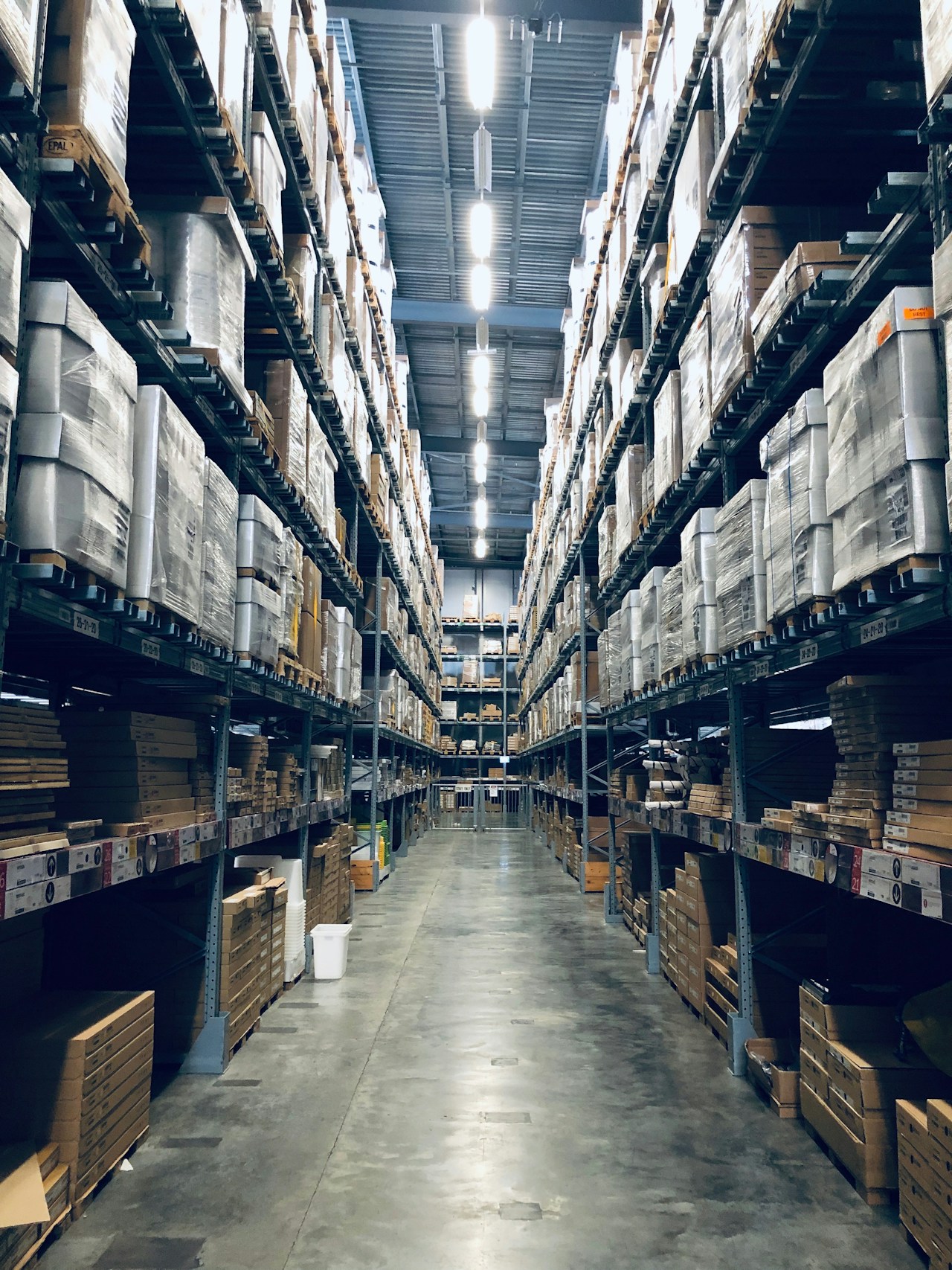
In September, the state company Expo 2027 chose Intereuropa-logističke usluge from Dobanovci as its logistics partner, according to Nova.rs. The company is registered in Serbia and majority-owned by Pošta Slovenije. The framework agreement is worth up to 530.9 million dinars and runs for 15 months, from October 2026 to December 2027.
The scope, as reported, covers:
- managing the flow of vehicles, goods, materials and equipment to the site, inside it and between parts of the complex;
- coordinating deliveries;
- warehousing, including a customs warehouse and customs services;
- staff, machinery, delivery vans and software for warehouse and transport flows;
- cold storage at 0–8 °C.
The value is a ceiling, not a guaranteed spend: services are ordered as the organiser needs them. What it tells contractors is that deliveries will run through a central logistics system rather than a free-for-all at the gate. Expect booked delivery slots, accreditation for drivers and vehicles, and paperwork that has to match the load. If you are building for a foreign pavilion, ask your client early how its imported exhibits and materials will be cleared, and whether they will pass through the customs warehouse before reaching the site.
Pavilion handovers and defect checks
The second piece of the puzzle is the handover of the buildings themselves. As reported by N1 in late September, Expo 2027 signed a framework agreement worth up to 75 million dinars (excluding VAT) with Belgrade firm PLAN1ST to coordinate the handover of structures on the site. That covers international and partner pavilions, Zone E, the residential quarters and service spaces in Zone A. The tasks include handover procedures and timelines, defect inspections and verification of completed structures.
For a fit-out contractor, the handover date is the start of your clock. Two practical points follow:
- Document the shell when you receive it. Photos and a written record of existing defects, agreed with your client, protect you if damage is later blamed on your crew.
- Plan for a short build window. BIE Secretary General Dimitri Kerkentzes said at the October technical meeting that most countries will be physically present on site by December. With the opening on 15 May 2027, interior work, testing and content installation all have to fit into about five months, much of it in winter.
Final works still under way
The organiser is also still buying work for the site itself. In September it launched a procurement for finishing works: fitting out exhibition halls and outdoor zones, evaporative cooling outdoors, micro-mist systems at entrances A, B and C, in food zones and near playgrounds, and 130 remotely read water meters. Forbes Srbija did not report a value or deadline. These crews will share access roads and loading areas with pavilion builders over the winter, which makes delivery planning even more important.
Getting crews to Surčin
One small change starts today. From 1 November, four direct city bus lines link the Expo complex with Belgrade, departing from the Belgrade Waterfront loop under the Gazela bridge, Zemun (Bačka), Vukov spomenik and Ustanička. Buses run roughly every 15–22 minutes for most of the day, with 31 eco-buses in service until the end of March. An airport line is planned from April and seven lines with more than 90 buses from May. For firms without their own transport, that makes daily commuting for site crews more realistic, though tools and materials will still need vans.
What to do now
- Ask your pavilion client for the site logistics rules and delivery booking procedure before you quote.
- Price in waiting time, accreditation and possible night or weekend deliveries.
- Keep customs documents and the client's tax paperwork ready for any imported items.
- Agree in writing who accepts the shell at handover and how defects are recorded.
Details of the delivery procedures have not been published in full, so confirm everything with the organiser or your client before committing crews.
Sources
- nova.rs
- streamlinefeed.co.ke
- expobelgrade2027.org
- forbes.n1info.rs
- snm.rs
Photo: Ruchindra Gunasekara / Unsplash licence / source