Whether Serbia should cancel Expo 2027 Belgrade or see it through became the most discussed Expo question of the week, after a newspaper column called for cancellation and a public broadcaster debate put the costs side by side. According to Radar's economy editor Milan Ćulibrk, about €1.4 billion had been paid from the budget for the exhibition complex by early November; according to the organiser, cancelling now would cost Serbia several hundred million euros or more. No decision has been announced: the caretaker government still runs the project, and the Student List, which won the 25 October elections, has not yet formed a government.
What happened this week?
- 17 November: Economics professor Danica Popović argued in a Radar column that the Expo should be cancelled immediately and participants offered compensation.
- 20 November: Dušan Borovčanin, adviser to the director of EXPO 2027 d.o.o., told Radio Beograd 1 that cancellation would have major negative consequences.
- 20 November: RTS's programme Oko debated the Expo's costs. EXPO 2027 director Danilo Jerinić, who had agreed to appear, cancelled without explanation three hours before the broadcast, RTS reported.
- 21 November: Marko Selaković, who led Serbia's business programme at Expo 2020 Dubai, published a reply in Radar arguing against cancellation.
How much has been spent so far?
Speaking on RTS, Ćulibrk said the Fiscal Strategy originally estimated the exhibition complex at €1.22 billion. He said about €1.4 billion had been paid for the Expo alone by early November, plus around €1 billion for related projects such as rail and line infrastructure and the National Stadium. In his view, the complex should already be finished for that money.
These figures come from a critic of the project; the organiser did not present its own figures in the programme because its director withdrew. The pages reviewed for this article contain no updated official total from the Ministry of Finance.
What would cancellation cost?
The two sides give very different answers.
The organiser's view. Borovčanin said the Bureau International des Expositions (BIE) has no mechanism for cancellation and that deadlines for postponement have passed. Only force majeure, such as a natural disaster determined by the BIE General Assembly, would protect Serbia from financial and legal consequences. If Serbia cancelled unilaterally, he said, it would bear full responsibility towards participating countries, international organisations and the BIE, and costs would exceed several hundred million euros, before counting lost economic activity and damage to the country's reputation.
The case for cancelling. Popović wrote that the binding rules for Serbia provide for reimbursement of participants' justified costs, except in cases of natural force majeure, and that such compensation would be small compared with the billions she says are still to be spent. She argued that money could go to hospitals and local infrastructure instead, and that corruption is embedded in Expo contracts, without the scale being known.
The case for continuing. Bojan Stanić of the Chamber of Commerce and Industry of Serbia, an institutional partner of the Expo, told RTS the Expo should, and in his words must, take place. He said sending letters to some 140 countries to announce cancellation would be a diplomatic embarrassment. Selaković argued that reputational damage would far exceed penalties, because participants are already in the final phase of planning content and delegations. He cited Serbia's trade with the UAE, which he said rose 42% in the year after Expo 2020.
Is there a middle way?
Several voices proposed separating the exhibition from other projects:
- Ćulibrk said it would be rational to finish only what is necessary for the Expo and drop unrelated items, citing a dolphinarium for which he said about €1 million had been paid.
- Selaković said the Expo under the Paris Convention is limited to a site of up to 25 hectares, and that stadiums, railways and similar projects are not part of it. He called for all contracts signed by EXPO 2027 d.o.o. to be reviewed, construction quality checked and harmful or unprofitable spending outside the site stopped.
- Borovčanin said a clear strategic signal is needed soon, and expects the new government to state its position within about two months.
Which contracts are being questioned?
One example discussed this week is the 2.54 billion dinar (about €21.7 million) contract for technical production of the Expo programme, signed in September with Belgrade company Sky Solutions. Radar authors Vladimir Obradović and Ognjen Radonjić wrote that it was the only bid, that the deadline was short, and that up to 70% of the value is payable before the exhibition opens. They argued the advance could effectively finance equipment the company keeps.
Sky Solutions rejected this in a reply published by Radar. The company said it will not buy equipment with contract funds, that all equipment will be rented, mostly from foreign partners, and that under temporary import rules it must be exported after the exhibition. It also said there is no double payment between its contract and that of the related company Skyevents, which covers artists' fees and riders.
What it means for exhibitors, contractors and suppliers
- Cancellation is a debate, not a decision. Neither the caretaker government nor the incoming majority has announced cancellation. Work and pavilion handovers from 1 December continue on the organiser's schedule.
- Scope cuts may target projects outside the site. Proposals this week focus on items beyond the exhibition area. Suppliers working on related projects should follow any review closely.
- Expect contract reviews. Critics and the incoming majority have called for audits. Keep full records of tenders, change orders, deliveries and payments.
- Advance payments may draw attention. Contracts with large advances or single bids are the ones being discussed in the media.
- Watch for the new government's position. The organiser expects clarity within roughly two months.
Key facts
- Expo 2027 Belgrade is scheduled for 15 May – 15 August 2027.
- About €1.4 billion paid for the complex by early November, according to Milan Ćulibrk (Radar), against an original estimate of €1.22 billion.
- Cancellation would cost several hundred million euros or more, according to EXPO 2027 adviser Dušan Borovčanin.
- The BIE has no cancellation mechanism; only force majeure determined by its General Assembly applies, according to Borovčanin.
- Around 140 countries are taking part, according to the Chamber of Commerce.
- The technical production contract is worth 2.54 billion dinars (about €21.7 million), according to Radar.
Sources
- www.rts.rs
- www.rts.rs
- radar.nova.rs
- radar.nova.rs
- radar.nova.rs
- radar.nova.rs
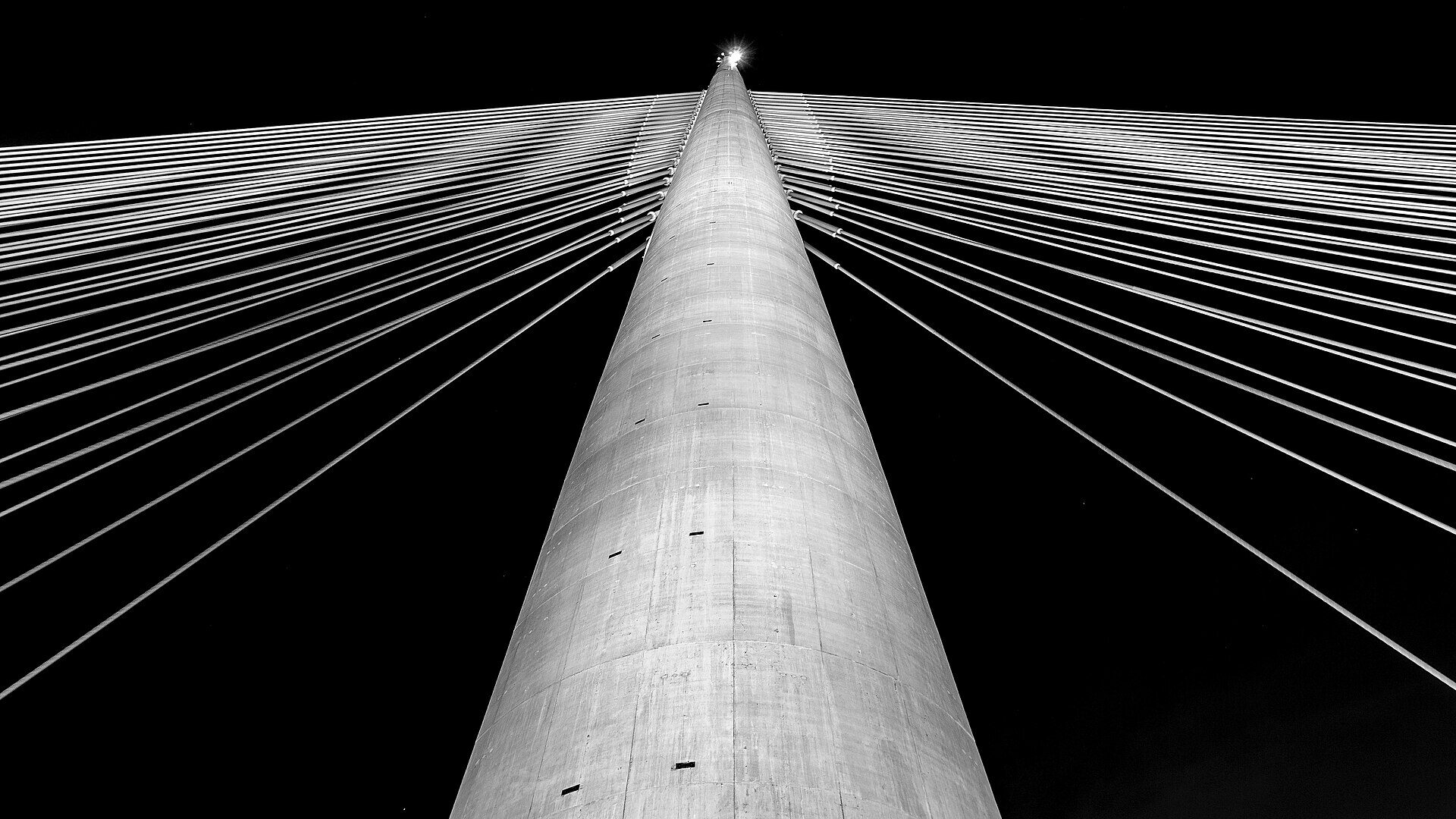
Photo: Petar Milošević / CC BY-SA / source
Save to Pinterest